

The best camping blanket depends on how you camp: car camping vs. backpacking, dry mountains vs. damp lakeside, summer nights vs. shoulder-season chill. A blanket that feels perfect at a picnic can fail quickly when the ground is wet, the wind picks up, or condensation hits your tent floor. If you’re choosing one product that covers the widest range of trips, a waterproof camping blanket with real insulation and durable construction is usually the most reliable all-around choice.
Below is a practical, performance-focused breakdown to help you buy once and use it for years.
1) The Three Blanket Types Campers Actually Need
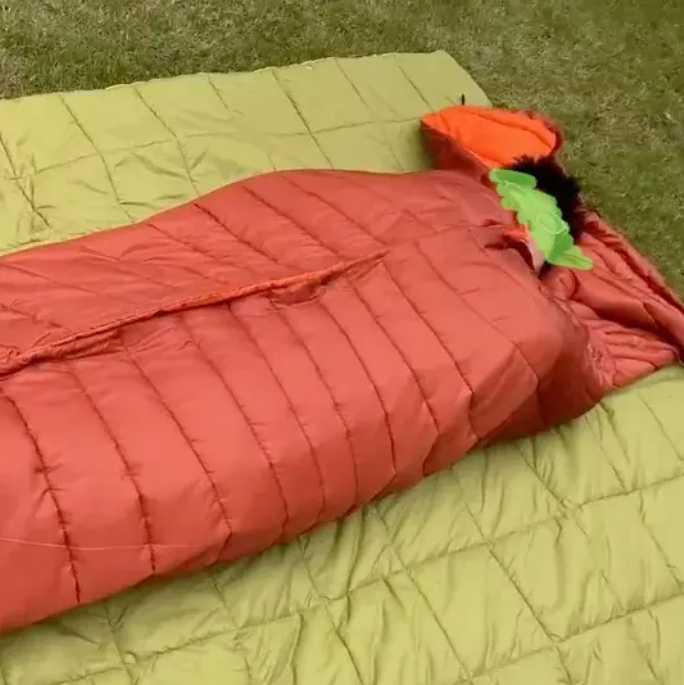
A) Insulated camping blanket (warmth-first)
Best for: cool evenings, tent layering, around the fire.
Look for:
- Synthetic insulation (often mimics down) because it keeps warmth better when damp.
- A quilted build that prevents insulation from shifting.
Realistic performance note: an insulated blanket won’t replace a winter sleeping bag, but it can add noticeable comfort. As a rule of thumb, a quality insulated blanket can add roughly 5–10°F (3–6°C) of perceived warmth when layered over a sleeping system, depending on wind and clothing.
B) Waterproof camping blanket (ground + weather protection)
Best for: wet grass, sandy beaches, snow patches, kids/pets, and unpredictable conditions.
A true waterproof blanket typically uses:
- A waterproof backing (often TPU-coated polyester or similar)
- Sealed or tight-stitched construction to reduce seepage
- A surface fabric that dries fast and resists stains
Why it matters: ground moisture is a silent heat thief. Even in mild temperatures, sitting or lying on damp ground can make you feel cold quickly. A waterproof layer prevents water from soaking into the blanket and reduces conductive heat loss.
C) Ultralight packable blanket (weight-first)
Best for: backpacking, minimalist travel, emergency layer.
Tradeoff: the lightest blankets usually sacrifice durability, size, or insulation thickness. If your trips include rough terrain, dog claws, or frequent ground use, durability becomes more important than saving a few ounces.
2) What “Best” Means: 6 Specs That Actually Matter
1) Water resistance vs. waterproof
Marketing terms vary. For wet ground, aim for a blanket described as waterproof (not just “water-resistant”) with a coated backing. Water-resistant shells handle splashes; waterproof backings handle pressure from body weight on damp surfaces.
2) Insulation type and loft
- Synthetic fill is the safer camping choice because it performs better with moisture.
- Higher loft generally equals more warmth, but also more bulk.
3) Fabric durability (denier) and abrasion resistance
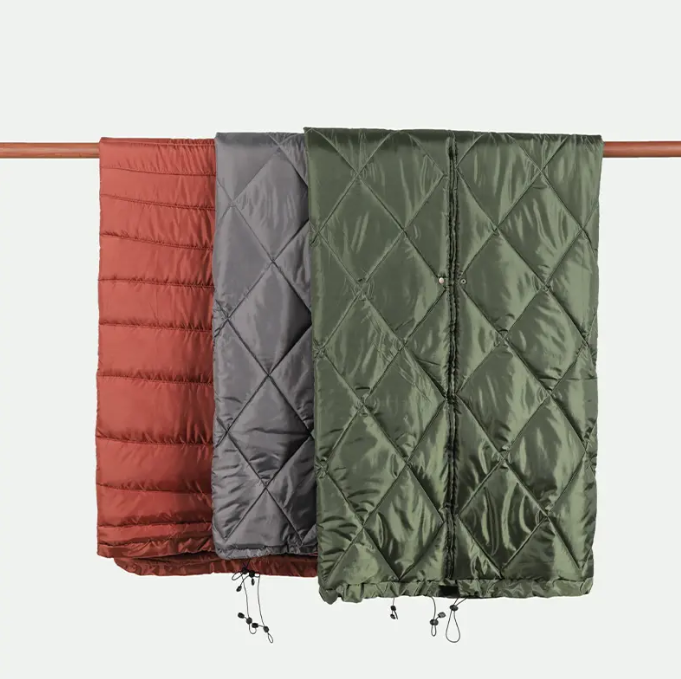
If you plan to use it on the ground, durability matters. Many dependable outdoor fabrics fall around 20D–70D. Lower denier packs smaller but can snag more easily; higher denier is tougher for frequent campsite use.
4) Size and coverage
A common “one-blanket does most things” size is roughly 50 x 70 in (127 x 178 cm) for one person. For couples or family lounging, look for larger formats, but note that bigger blankets catch more wind.
5) Packability and carry system
A camping blanket you don’t bring is useless. Look for:
- Stuff sack or integrated pouch
- Compression straps (if it’s insulated)
- Weight that matches your trip style (car camping vs. hiking)
6) Easy cleaning and odor control
Camping blankets get dirty fast—ash, sap, dog hair, sunscreen. Quick-dry synthetics and machine-washable construction are major advantages for long-term ownership.
3) Which Blanket Is Best for Most Campers?
If you want one versatile option: choose an insulated waterproof camping blanket.
It covers the broadest set of scenarios:
- Ground barrier for wet grass or sandy soil
- Warm layer for cool nights
- Picnic blanket, stadium blanket, or emergency car blanket
For dedicated backpackers: pick an ultralight insulated blanket and pair it with a separate groundsheet (or use your sleeping pad) instead of relying on a heavy waterproof backing.
For families and car campers: prioritize comfort, size, and toughness. A slightly heavier blanket that resists spills and abrasion often provides the best value per trip.
Bottom Line
The best blanket for camping is the one that matches your conditions, but for most people, a waterproof camping blanket with synthetic insulation delivers the best mix of warmth, moisture protection, durability, and everyday usefulness. If you tell me your typical overnight lows, whether you camp in wet climates, and if you’re backpacking or car camping, I can recommend the ideal size, insulation level, and fabric durability for your setup.
Post time: Jan-19-2026